
Introduction
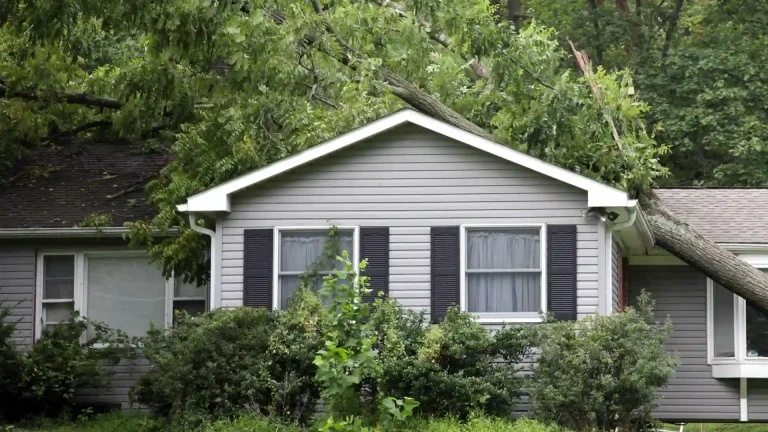
It happens fast. A storm rolls through, you hear a crack, and suddenly there is a tree on your roof. Or you wake up after a night of wind and find a massive trunk has come through your garage or screened porch.
In that moment, most homeowners freeze. They do not know what to do first, who to call, or what mistakes might make things worse. The wrong moves in the first hour can put you at physical risk, complicate your insurance claim, or leave your home exposed to further damage.
This guide walks you through exactly what to do, step by step, if a tree falls on your house in Chesapeake VA. We cover immediate safety, insurance, emergency tree removal, and how to protect yourself through the process.
If you are dealing with this right now, skip to the action steps below. If you are reading this to prepare, good, the best time to know this information is before you need it.
Step 1: Get Everyone Out and Stay Out
Your first and only priority in the immediate aftermath is safety. A tree that has fallen on a structure has compromised that structure. Roofs, walls, and ceilings that look intact may be one shift away from collapse, especially if the tree is still bearing weight on the building.
Get everyone out of the house immediately. Then stay out until:
- A structural professional or first responder has cleared it as safe to enter
- Any downed power lines in the area have been secured by the utility company
- Gas has been confirmed off if you smell anything or suspect a line was damaged
- The tree removal crew has stabilized the situation
Call 911 if:
- Anyone is injured or trapped
- You smell gas
- Power lines are down on or near the structure
- The home appears to be at immediate risk of further collapse
Do not go back inside to grab belongings, check on the damage, or look for pets until the scene is clear. It is not worth it.
Step 2: Document Everything Before Any Work Begins
Once you are safe and the immediate hazards are under control, document the damage thoroughly before any cleanup or removal begins. This documentation is critical for your insurance claim.
What to photograph and document:
- The full tree from multiple angles, including where it was rooted
- Every point of contact between the tree and the structure
- Interior damage if it is safe to photograph from a doorway or window
- Any other structures affected: fence, garage, vehicles, outbuildings
- The weather conditions at the time if relevant (screenshot a weather report)
- Any pre-existing damage that is clearly unrelated to the tree
Take more photos than you think you need. Video walkabouts are also helpful. Do this before emergency tree removal begins, because once the tree is removed, some of the evidence of cause and impact is gone.
Step 3: Call Your Insurance Company Right Away
After documenting, call your homeowners insurance company and report the claim. Do not wait. Most policies require prompt reporting, and delays can complicate or reduce your payout.
What to tell them:
- The date and time the tree fell
- What caused it (storm, wind, unknown)
- What structures were damaged
- That you have documented everything with photos and video
- Whether the home is currently safe to occupy
What most homeowners insurance covers:
- Damage to the structure caused by the fallen tree
- Emergency tree removal when the tree is on a covered structure
- Temporary repairs to prevent further damage (tarping, boarding windows)
- Additional living expenses if the home is uninhabitable
What is typically not covered:
- Tree removal when the tree fell in the yard but did not hit a structure
- Damage caused by a tree you knew was hazardous and failed to address
- Neighbor’s tree that fell on your property (that goes through their insurance)
Ask your adjuster specifically what is covered and what documentation they need. Get a claim number before you hang up.
Step 4: Call for Emergency Tree Removal in Chesapeake VA
With safety handled and insurance notified, the next call is to a licensed emergency tree removal company. The tree needs to come off the structure as quickly as possible to prevent further damage, especially if rain is in the forecast or the impact has compromised your roof.
What to look for in an emergency tree service:
- Licensed and insured in Virginia (ask to see proof)
- Available for same-day or after-hours response
- Experience with trees on structures, not just open-yard removal
- Clear communication about what the removal will involve
- Willingness to work with your insurance adjuster if needed
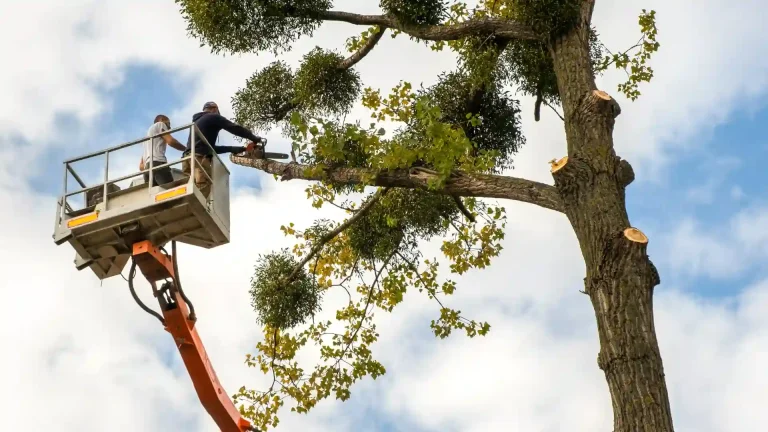
757 Tree Solutions responds to emergency calls across Chesapeake, Virginia Beach, Suffolk, and Hampton Roads. We have the crew and equipment to safely remove trees from structures, including crane work when the situation requires it.
Be cautious of storm chasers and out-of-area contractors who show up uninvited after major weather events. They often charge inflated prices and disappear before the work is truly complete. Use a local company with a verifiable track record.
Step 5: Protect the Structure From Further Damage
While waiting for the removal crew or after the tree is removed, take reasonable steps to protect your home from additional damage. This matters for both your safety and your insurance claim.
Reasonable temporary measures include:
- Tarping the roof over any breach to prevent water intrusion
- Boarding up broken windows or door frames
- Turning off utilities to the affected area if there is any risk of electrical or gas issues
- Keeping people out of rooms directly below structural damage
Keep all receipts for any emergency materials you purchase. Tarps, plywood, and similar expenses related to preventing further damage are often reimbursable under your insurance policy.
What If the Tree Came From a Neighbor’s Yard?
This is one of the most common questions after a storm event. A neighbor’s tree falls on your fence, your car, or your roof. Who pays?
In most cases in Virginia, the answer is: your insurance pays, regardless of where the tree originated. Homeowners insurance covers damage to your property. The neighbor is generally not liable unless you can prove they knew the tree was hazardous and failed to act.
If you previously notified your neighbor in writing about a dangerous tree and they ignored it, you may have grounds for a liability claim. Talk to your insurance company and potentially an attorney if the damage is significant.
Frequently Asked Questions
How fast can emergency tree removal happen in Chesapeake VA?
A local crew can often be on-site within a few hours for true emergencies. Response time depends on crew availability and how many storm calls are coming in simultaneously. 757 Tree Solutions prioritizes calls where a tree is actively on a structure.
Should I try to remove the tree myself?
No. A tree on a structure is under tension and stress in unpredictable ways. Cutting the wrong section can cause the tree to shift suddenly, causing more damage or injury. This work requires trained professionals with the right equipment.
Will my insurance company send someone out before removal?
Sometimes, but do not wait if there is active damage or a rain event coming. Most insurance companies allow you to take emergency protective measures immediately. Document everything, communicate with your adjuster, and proceed with removal to prevent further damage.
Does insurance cover a tree that fell but missed the house?
Generally not for the removal cost itself. If a tree falls in your yard but does not hit a covered structure, most standard homeowners policies do not cover removal. Check your specific policy as some have limited debris removal coverage.
What happens after the tree is removed?
Once the tree is off the structure, you will need a contractor to assess and repair the structural damage. Your insurance adjuster will typically want to inspect before repairs begin. The stump can be ground down separately once the immediate situation is handled.
Conclusion
A tree falling on your home is one of the most stressful things a homeowner can face. But if you follow these steps in order, you protect your family, strengthen your insurance claim, and get the situation resolved as quickly as possible.
Get everyone out. Document everything. Call your insurance. Call a licensed emergency tree removal service. Protect the structure from further damage. That is the playbook.
757 Tree Solutions is available for emergency tree removal across Chesapeake, Virginia Beach, Suffolk, and Hampton Roads. If a tree is on your home right now, call us. We will get there and we will handle it.