
Introduction
Managing trees on a commercial property, apartment complex, HOA community, or retail center is a different job than maintaining the trees in a residential backyard. The stakes are higher, the liability is real, and the number of trees involved usually makes reactive management an expensive mistake.
Property managers across Chesapeake, Virginia Beach, and Suffolk deal with tree-related issues every season: storm damage, hazardous trees near tenant parking, liability claims from fallen limbs, and the ongoing challenge of keeping green space maintained without blowing the maintenance budget.
This guide is written specifically for property managers, HOA boards, and commercial facility managers who want to understand what good commercial tree service looks like, what their liability exposure is, and how to build a maintenance approach that protects their properties and their tenants.
757 Tree Solutions works with commercial clients across Hampton Roads. These are the conversations we have with property managers every week.
Tree Liability for Commercial Properties: What You Are Actually Responsible For
In Virginia, property owners have a duty to maintain their trees in a reasonably safe condition. That duty extends to guests, tenants, customers, and anyone else lawfully on the property. It also extends to neighboring properties and public spaces if a hazardous tree on your land damages someone else’s property.
The key legal concept is notice. If you knew or reasonably should have known that a tree was hazardous and you failed to act, your liability exposure increases significantly. Documented tree inspections and maintenance records work in your favor if a claim is ever filed. Lack of any documentation works against you.
Scenarios where property manager liability is highest:
- A dead or visibly diseased tree near a parking lot, walkway, or playground falls and injures a tenant or visitor
- A large limb drops onto a tenant’s vehicle and the tree had visible warning signs that were not addressed
- A tree falls on a neighboring property and the neighbor can show the tree was in poor condition
- Storm damage occurs that a pre-storm inspection would have identified as high risk
- A tenant reports a hazardous tree in writing and no action is taken
The standard of care is not perfection. It is reasonable diligence. A documented inspection program and a relationship with a licensed tree service goes a long way toward demonstrating that your property is being responsibly managed.
What Commercial Tree Service Actually Includes
Commercial tree work covers a broader scope than most property managers realize. It is not just about removing a dead tree when something goes wrong. A full-service commercial tree provider handles everything from scheduled inspections to emergency response.
Tree Inventory and Risk Assessment
For larger properties, a formal tree inventory documents every significant tree on the property, its species, approximate size, condition rating, and proximity to structures or high-traffic areas. This gives you a baseline record and helps prioritize where maintenance resources should be directed. A risk assessment identifies trees that need immediate attention versus those that can be managed on a longer cycle.
Scheduled Trimming and Pruning
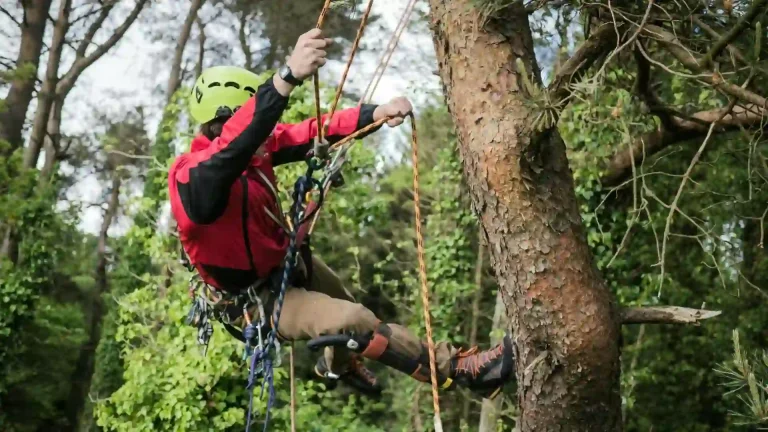
Regular pruning keeps trees structurally sound, reduces canopy weight that could fail in a storm, clears sightlines and lighting for security, and maintains the clearances above parking areas and walkways required by most property insurance policies. A trimming cycle of every two to three years is standard for most commercial properties in Hampton Roads, with some fast-growing species requiring more frequent attention.
Hazard Tree Removal
When a tree is identified as a hazard, commercial removal needs to happen quickly and cleanly, often with minimal disruption to tenants or operations. That means working around business hours, cordoning off work zones properly, managing debris so the property is not left in disarray, and having the documentation to support an insurance or liability claim if needed.
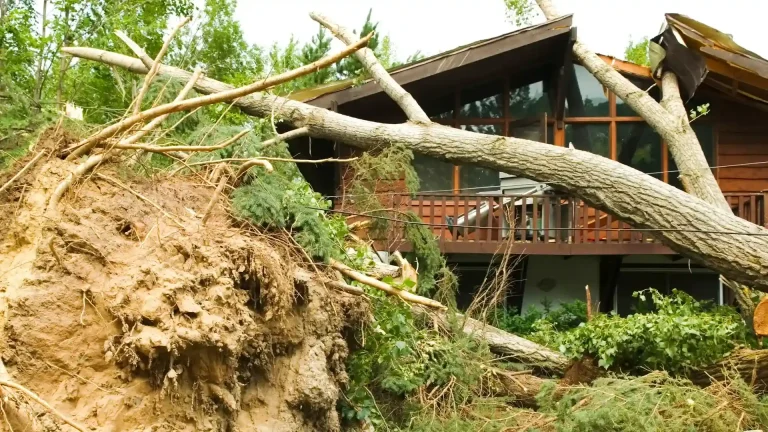
Commercial properties with multiple trees are disproportionately affected by major storm events. Having a commercial tree service on retainer or with a documented relationship means faster response when damage happens. A residential crew showing up to a twelve-unit apartment complex after a nor’easter is a different situation than a commercial crew that has been on-site before and knows the property layout.
Stump Grinding and Site Cleanup
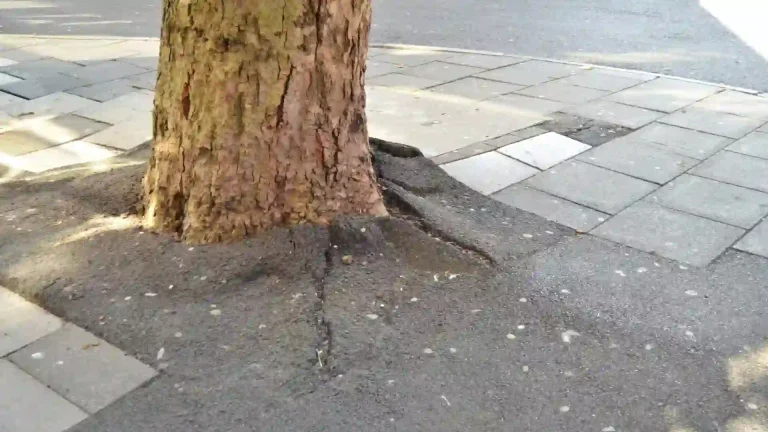
Commercial properties cannot have trip hazards in tenant areas. Stumps in parking islands, along walkways, or in common areas need to be ground promptly after removal. Cleanup standards for commercial work are higher than residential because the property is occupied and in use during and after the job.
HOA Tree Management: A Specific Set of Challenges
Homeowners associations face a particular challenge with trees because ownership and responsibility are often split between the HOA and individual homeowners, and those boundaries are not always clear.
Common HOA tree issues that require clear policy:
- Trees in common areas versus trees on individual lots that overhang common areas
- Requests from homeowners to remove trees the HOA considers healthy and valuable
- Trees on a homeowner’s property that pose a risk to a neighboring unit or common area
- Storm damage to trees that straddle the line between common and private property
- Liability when a tree in an HOA common area damages a homeowner’s property
HOA boards benefit significantly from having a documented tree management policy and a regular inspection program conducted by a certified professional. When decisions are documented and based on professional assessments rather than board opinion, disputes with homeowners are easier to resolve and liability exposure is lower.
Building a Commercial Tree Maintenance Plan That Actually Works
The most cost-effective commercial tree management is proactive, not reactive. Emergency removal after a tree fails costs two to three times more than scheduled removal of the same tree identified during a routine inspection. Add potential liability costs and the math becomes even clearer.
A practical commercial tree maintenance plan includes:
- Annual or biannual property walkthroughs with a licensed arborist to identify new risks
- A priority ranking of trees by risk level and proximity to high-traffic areas
- A scheduled trimming cycle to maintain clearances and structural integrity
- A documented protocol for storm response and post-storm inspection
- A preferred vendor relationship with a commercial tree service that knows your property
- Maintenance records kept on file for insurance and liability purposes
757 Tree Solutions works with property managers and HOA boards to build and execute maintenance plans tailored to their specific properties. We can document inspections, provide written risk assessments, and operate on a schedule that fits your management calendar.
What to Look for When Hiring a Commercial Tree Service
Not every tree company is equipped for commercial work. Here is what separates a commercial-capable provider from a residential-only operation:
- Adequate liability insurance for commercial operations, including higher coverage limits than residential policies typically require
- Workers compensation coverage for all crew members
- Experience working around occupied properties, tenants, and active business operations
- Ability to provide written documentation of inspections, work performed, and tree condition
- Equipment capable of handling large-scale work, including crane capability if needed
- Responsiveness and availability for emergency storm calls
- References from other commercial clients in the Hampton Roads area
Always ask for a certificate of insurance before any work begins. For commercial properties, the risk of working with an uninsured or underinsured tree crew is significant. If a crew member is injured on your property and the company lacks proper coverage, you may be exposed to workers compensation claims.
Frequently Asked Questions
How often should commercial properties have their trees inspected?
At minimum, once per year. Properties in high-liability areas such as those with playgrounds, dense parking lots, or high foot traffic near mature trees benefit from biannual inspections. A post-storm walkthrough after any significant weather event should also be standard practice regardless of when the last scheduled inspection occurred.
Who is liable if a tree falls from a commercial property onto a neighbor’s vehicle?
Liability depends on whether the property owner knew or should have known the tree was hazardous. If the tree showed visible signs of decline and no inspection or maintenance had been performed, liability exposure is high. If the property had a documented inspection program and the tree showed no prior warning signs, the claim is much harder to sustain. Documentation is everything in these situations.
Can 757 Tree Solutions provide documentation for insurance purposes?
Yes. We provide written inspection reports, condition assessments, and work completion records that can be kept on file for insurance and liability documentation purposes. If you need a formal written risk assessment for a specific tree or group of trees, we can provide that as part of a commercial service agreement.
Do you offer service contracts for commercial properties?
Yes. We work with property management companies, HOA boards, and commercial facility managers on scheduled service agreements that cover annual inspections, trimming cycles, and priority response for storm events. A service agreement also ensures your property is prioritized during high-volume storm response periods when crews are in heavy demand.
What is the biggest mistake commercial property managers make with tree care?
Reactive management. Waiting until a tree is visibly failing or has already caused damage is always more expensive than addressing it proactively. The second most common mistake is using a residential tree crew for commercial work without confirming they have adequate commercial insurance coverage. Both mistakes create avoidable cost and liability.
Conclusion
Trees on commercial properties are assets when properly maintained and liabilities when they are not. For property managers in Chesapeake, Virginia Beach, and Suffolk, the difference between a proactive tree maintenance program and a reactive one shows up in insurance claims, liability exposure, tenant complaints, and emergency repair costs.
The investment in scheduled commercial tree service is modest compared to the cost of a single significant incident. And the documentation that comes from working with a professional service is worth its weight when a liability question arises.
757 Tree Solutions provides commercial tree services across Hampton Roads. Whether you manage a single commercial property or a portfolio of residential communities, call us to discuss a service approach that fits your properties and your budget. We will start with a site walkthrough and a straight conversation about what we see.