
Introduction
The spotted lanternfly (Lycorma delicatula) arrived in the United States in 2014 in Berks County, Pennsylvania, and has been spreading steadily south ever since. Virginia was added to the confirmed infestation map in 2018, and populations have since been found throughout much of the state including the Hampton Roads region. The
According to the Virginia Department of Agriculture and Consumer Services (VDACS), the spotted lanternfly is an invasive pest that feeds on more than 70 plant species, with a strong preference for tree of heaven (Ailanthus altissima) — itself an invasive species — but also targeting grapevines, hops, apple trees, oaks, pines, and a range of other trees common in Virginia yards. [Source: vdacs.virginia.gov/plant-industry-services/spotted-lanternfly]
One of the most common questions Virginians ask about spotted lanternflies is whether anything eats them. The short answer: yes, but not enough to make a meaningful dent in the population on its own. Here is what we know about natural predators and what that means for managing lanternflies on your property.
Note: While 757 Tree Solutions is a tree service company and not a pest management firm, lanternflies directly affect tree health. We have seen the damage they cause to trees in Chesapeake and Hampton Roads, and we address lanternfly-related tree stress as part of our tree health assessments.
Natural Predators of Spotted Lanternflies in Virginia
Spotted lanternflies evolved in Asia where natural predators kept their populations in check. In the United States, without those co-evolved predators, populations have expanded rapidly. That said, some native Virginia species have begun feeding on them.
Praying Mantises
Praying mantises are generalist predators that will eat spotted lanternflies opportunistically. Both the native Carolina mantis (Stagmomantis carolina) and the introduced Chinese mantis (Tenodera sinensis) have been documented feeding on lanternflies. However, mantises are solitary hunters and eat whatever is available — they are not lanternfly specialists. Their impact on population numbers is limited. You can purchase Chinese mantis egg cases from garden suppliers like Arbico Organics (arbico-organics.com) to introduce mantises to your yard, though results vary.
Wheel Bugs
The wheel bug (Arilus cristatus) is one of the most effective native predators documented feeding on spotted lanternflies. These large assassin bugs pierce their prey and inject paralytic saliva. Research from Penn State Extension has documented wheel bugs actively hunting lanternflies, and they are considered one of the more promising native control candidates. [Source: extension.psu.edu/spotted-lanternfly] Wheel bugs are naturally present in Virginia but not in numbers sufficient to control lanternfly populations.
Spiders
Multiple spider species have been observed catching and consuming spotted lanternflies in webs and through active hunting. Garden spiders (Argiope aurantia), orb weavers, and wolf spiders have all been documented as opportunistic lanternfly predators. Like mantises, spiders are generalists and not population-level controls, but a spider-friendly yard with reduced pesticide use supports a natural predator community that provides some incidental control.
Wasps and Yellowjackets
Some native wasps, particularly yellowjackets and paper wasps, have been observed feeding on lanternfly nymphs. Parasitoid wasps from Asia (Anastatus orientalis) are being studied as potential biological control agents. The USDA Agricultural Research Service has been investigating these options as part of the national response to the infestation. [Source: ars.usda.gov/research/projects] However, no parasitoid wasp biocontrol has been approved for release in the US as of 2025.
Birds: Limited But Present
Early reports suggested birds avoided spotted lanternflies, possibly due to toxins absorbed from feeding on tree of heaven. More recent research has been more nuanced. Some bird species including chickens, ducks, and certain wild birds like gray catbirds and yellow-billed cuckoos have been documented consuming lanternflies. If you keep backyard chickens or ducks, they will eat lanternflies they encounter, though free-range poultry cannot control a large infestation. Wild bird attraction through native plantings and habitat preservation is a low-cost, long-term strategy for building a natural predator community.
Do Natural Predators Control Spotted Lanternfly Populations?
The honest answer is: not yet, and probably not without significant intervention. The spotted lanternfly reproduces rapidly — a single female can lay two egg masses containing 30 to 50 eggs each per season. The population growth rate outpaces what native predators can consume at their current numbers.
Penn State Extension, which has conducted some of the most comprehensive US research on spotted lanternfly, notes that while predation is occurring, it is not at levels sufficient to manage populations. Natural control may improve over time as predator populations adapt, but homeowners and property managers should not rely on natural predators as a primary management strategy. [Source: extension.psu.edu/spotted-lanternfly-integrated-pest-management]
What Actually Works: Managing Spotted Lanternflies in Virginia
Scrape and Destroy Egg Masses
Spotted lanternfly egg masses are laid in the fall on smooth surfaces including tree bark, stone, vehicles, and outdoor furniture. They look like a smear of gray putty. Scraping them off with a plastic card or putty knife into a bag of hand sanitizer or rubbing alcohol kills the eggs. VDACS encourages all Virginia residents to destroy egg masses whenever found. Check trees, fences, and outdoor equipment from September through May.
Sticky Bands on Trees
Sticky tape bands wrapped around tree trunks trap nymphs as they climb. Products like Tanglefoot Tree Insect Barrier (available at Home Depot and Amazon: https://amzn.to/3SY4njo) can be effective but require wildlife-safe installation with a buffer mesh to prevent birds and small animals from getting trapped. The Arbor Day Foundation and Penn State Extension recommend this method for early-season nymph control.
Remove Tree of Heaven
Tree of heaven (Ailanthus altissima) is the spotted lanternfly’s preferred host and a major driver of population growth. It is also an invasive species in Virginia. Removing tree of heaven from your property eliminates a primary feeding and breeding resource. The Virginia Department of Forestry has guidance on tree of heaven identification and removal. [Source: dof.virginia.gov] This is one of the highest-impact actions a Virginia property owner can take for long-term lanternfly management.
Targeted Insecticide Treatment on High-Value Trees
For high-value landscape trees showing stress from lanternfly feeding, licensed pesticide applicators can apply systemic insecticides including imidacloprid or dinotefuran. These are applied as soil drenches or bark sprays and taken up by the tree’s vascular system. This is not a whole-landscape approach — targeted treatment of trees showing visible stress or hosting large lanternfly populations is the appropriate use. If you are seeing heavy lanternfly pressure on trees in your Chesapeake or Hampton Roads yard, a tree health assessment can help determine whether treatment is warranted.
How Spotted Lanternflies Damage Trees in Virginia
Lanternflies feed by piercing bark and extracting sap from the phloem layer. This feeding produces large amounts of sugary excrement called honeydew, which coats surfaces below the tree and promotes the growth of sooty mold — a black fungal coating that further stresses trees by blocking sunlight from leaves.
Heavy infestation over multiple seasons can weaken trees significantly, reducing growth, causing dieback in the canopy, and making trees more vulnerable to secondary pathogens and environmental stress. Young trees and those already under stress from drought, disease, or root damage are most at risk.
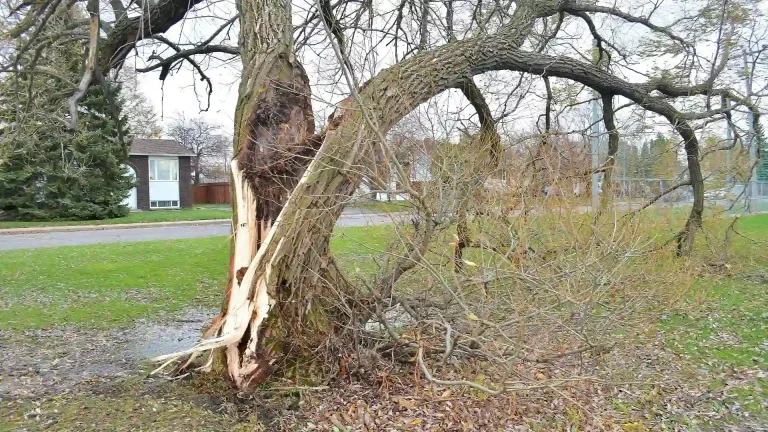
If you have trees in Chesapeake, Virginia Beach, or Suffolk that are showing unusual canopy decline and you have spotted lanternfly activity in the area, a professional tree assessment is a worthwhile step. Trees weakened by lanternfly feeding may also be showing other structural warning signs that warrant attention. Our blog on 7 signs a tree needs to be removed covers what to look for when a tree is under serious stress. [Internal link: 757treesolutions.com/blog/7-signs-tree-needs-removal]
Reporting Spotted Lanternflies in Virginia
VDACS asks all Virginia residents to report spotted lanternfly sightings, especially in areas where the pest has not yet been confirmed. You can report online at vdacs.virginia.gov/plant-industry-services/spotted-lanternfly or by calling the VDACS Plant Protection Hotline at 1-804-786-3515.
If you find egg masses, collect a sample in a sealed plastic bag with hand sanitizer, photograph it, and report it. Early detection helps slow the spread into areas where the pest has not yet established.
Frequently Asked Questions
Do chickens eat spotted lanternflies?
Yes. Backyard chickens and ducks will eat spotted lanternflies they encounter. They are not a population control solution but they reduce lanternfly numbers in the immediate area where they range. Many Virginia backyard poultry keepers have reported their birds actively hunting lanternflies during nymph season.
What is the best way to kill spotted lanternflies?
Stomping, swatting, or squishing spotted lanternflies on contact is effective. Spraying directly with a solution of dish soap and water kills them on contact. For larger infestations, sticky band traps on trees and targeted insecticide treatment by a licensed applicator are the most effective approaches.
Are spotted lanternflies in Chesapeake VA?
Yes. As of 2024, spotted lanternflies have been confirmed in multiple Virginia localities including areas of Hampton Roads. Populations are still expanding. VDACS maintains a current distribution map at vdacs.virginia.gov.
Can lanternflies kill a tree?
Heavy, sustained lanternfly infestation over multiple seasons can significantly weaken trees and may contribute to the death of already-stressed specimens. Healthy, established trees in Virginia are unlikely to be killed by a single season of lanternfly feeding but will experience measurable stress. Young trees, trees already under drought or disease pressure, and grapevines are most vulnerable to serious damage.
Conclusion
Spotted lanternflies do have natural predators in Virginia — praying mantises, wheel bugs, spiders, some wasps, and a handful of bird species all consume them. But none of these predators exist in numbers sufficient to control the population on their own. Natural predation is a supplement to management, not a replacement for it.
The most effective actions Virginia homeowners can take are removing tree of heaven from the property, destroying egg masses in fall and winter, using sticky band traps during nymph season, and getting a professional assessment for any trees showing stress from heavy feeding. If you have trees in Chesapeake, Virginia Beach, or Suffolk that may be affected, call 757 Tree Solutions for a free assessment.