
Introduction
Most homeowners do not think about their trees until something goes wrong. A branch comes down in a storm. The tree starts leaning. The bark looks strange. By then, the problem has often been developing for months or years.
Trees do not fall without warning. They show signs. The problem is most people do not know what to look for, so those signs go unnoticed until there is a crisis.
This guide covers the seven most important warning signs that a tree needs to be removed immediately. We work across Chesapeake, Virginia Beach, Suffolk, and Hampton Roads, and these are the exact things our crew looks for when we assess a dangerous tree.
If your tree has one of these signs, take it seriously. If it has two or more, call us today.
Sign 1: The Tree Is Leaning and the Lean Has Changed
A slight natural lean is normal for many trees. What is not normal is a lean that has shifted, especially after a storm or period of heavy rain.
When a tree begins leaning in a new direction, it almost always means one thing: the root system is failing. Roots may be rotting underground, or the soil may no longer be anchoring the tree properly. Either way, the tree is no longer structurally sound.
Look for these alongside the lean:
- Soil heaving or cracking around the base of the tree
- Exposed roots on one side, particularly the side opposite the lean
- The lean becoming more pronounced over days or weeks
- Any cracking or popping sounds from the base during wind
A leaning tree with root failure can come down in a moderate wind event. Do not wait for the next storm to find out.
Sign 2: Large Dead Limbs in the Upper Canopy
Dead limbs are sometimes called widowmakers for a reason. Large branches that have lost their bark, turned gray, or are clearly no longer producing leaves can fall without warning, even on calm days.
A few small dead branches on an otherwise healthy tree may just need professional trimming. But if the dead material is concentrated in the upper crown, if large sections of the canopy are bare while the rest of the tree is leafed out, or if major limbs are hanging over your home, driveway, or a play area, that is a different situation entirely.
When more than 50 percent of the crown is dead or dying, the tree is unlikely to recover. Removal is typically the right call. Safe tree removal in that scenario protects your property and everyone on it.
Sign 3: Visible Trunk Decay, Cracks, or Cavities
The trunk is the load-bearing structure of the tree. When it is compromised, the entire tree is compromised.
Warning signs on the trunk to watch for:
- Large vertical cracks or splits running down the bark
- Hollow sections where you can see into the tree
- Soft or spongy wood when you press on the bark
- Fungal conks (mushroom-like growths) growing at the base or on the trunk
- Bark that is peeling away in large sheets
- Sawdust-like material around the base, which can indicate boring insects
Fungal growth is particularly telling. Fungi feed on dead and decaying wood. If you are seeing mushrooms growing on or around your tree, internal rot is already underway. The outside of the tree may still look normal while the inside is structurally hollow.
Sign 4: Root Damage or Disturbance Near the Base
Roots are what keep a tree anchored. When the root system is damaged, the tree has no foundation. Root problems are especially common in older residential areas where construction, grading, or paving has disturbed the soil over time.
Root damage signs include:
- Heaving or cracked soil in a circle around the tree base
- Roots that are visibly cut, crushed, or decayed
- Recent construction or excavation within 10 feet of the tree
- Soil erosion that has exposed major roots
- The tree rocking noticeably when wind hits it
Root damage is often invisible until it is severe. If you have had any ground work done near a mature tree in the past few years, it is worth having it assessed even if the tree looks fine from above.
Sign 5: The Tree Is Dead
This one seems obvious, but many homeowners leave dead trees standing because they are not in the way or because they are not sure the tree is actually dead.
How to tell if a tree is dead:
- No leaf growth during the normal growing season
- Branches snap easily and the wood inside looks dry and gray rather than green
- Bark is falling off in large sections without new growth underneath
- The scratch test: scratch a small section of bark with your thumbnail. Living trees show green underneath. Dead trees show dry brown or gray
A dead tree is not just an eyesore. It is a drying, weakening structure that becomes increasingly brittle over time. In Hampton Roads, where we get strong winds and tropical storms regularly, a dead tree is a serious hazard. It needs to come down on your schedule, not the next storm’s schedule.
Sign 6: The Tree Has Suffered Major Storm Damage
After a significant storm, a tree might still be standing but structurally compromised. This is one of the most dangerous situations homeowners face, because the tree looks okay from the outside but may be ready to fail.
Post-storm signs that removal may be necessary:
- More than half the canopy was lost in the storm
- The main trunk or major scaffold branches are cracked or split
- The tree shifted or uprooted partially but is still standing
- Large sections of bark were stripped by falling debris
- The tree is now leaning that it was not before
After a major storm in Chesapeake or Virginia Beach, we recommend walking your property and looking at every tree, not just the ones that obviously came down. The ones still standing after severe damage are often the ones that fall next.
Sign 7: The Tree Is Too Close to Your Home or Power Lines
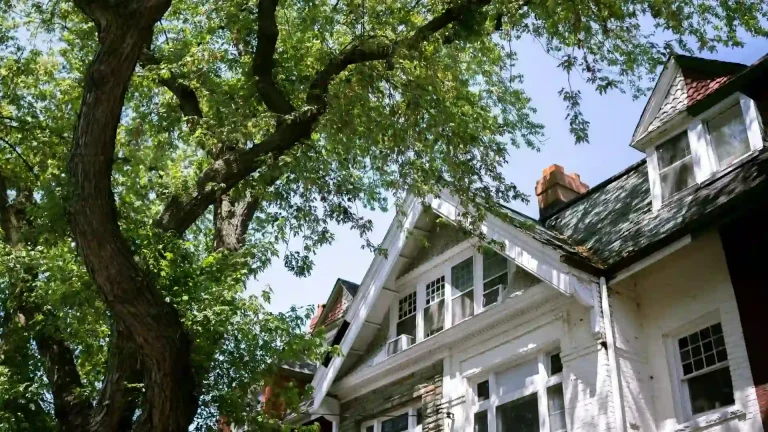
Sometimes the issue is not the tree’s health. It is the location. A perfectly healthy tree growing too close to your roofline, foundation, or power lines is a risk that only gets bigger over time.
Proximity problems that warrant removal:
- The canopy or major limbs extend over your roof or directly above it
- Roots are visibly lifting your driveway, sidewalk, or foundation
- The tree is within falling distance of power lines
- Branches are regularly contacting your home during wind events
- The tree has grown into or around a utility line
Trees near power lines require coordination with your utility provider. Do not attempt to handle this yourself. A professional tree removal company knows how to work in these situations safely and legally.
What to Do If Your Tree Has Any of These Signs
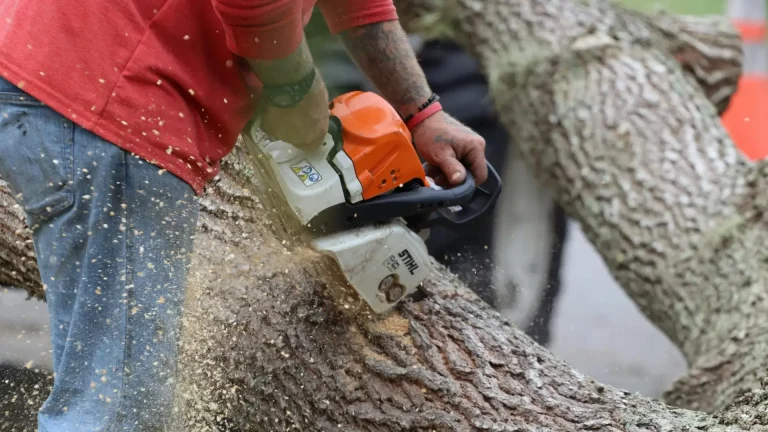
Do not wait. Do not try to assess it yourself beyond a visual check from the ground. And do not attempt DIY removal, especially for large trees or trees near structures. The risk is too high.
Here is what to do:
- Keep people and vehicles away from the tree’s fall zone
- Document what you are seeing with photos, especially if storm damage is involved
- Call a licensed, insured tree removal company for an assessment
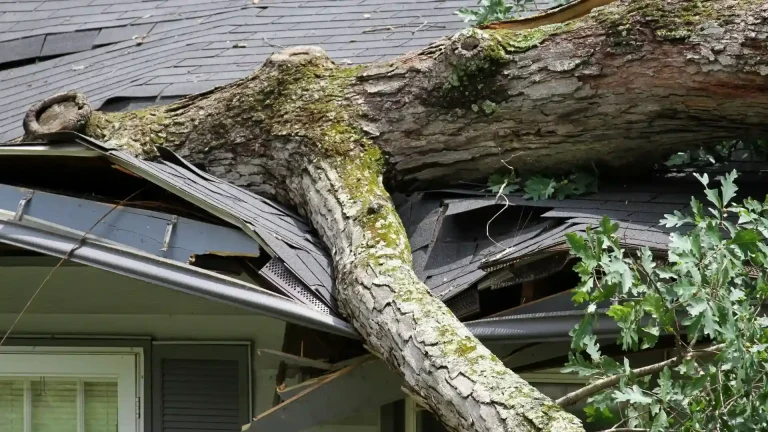
- If the tree is actively threatening your home or fell on a structure, call for emergency tree service immediately
757 Tree Solutions provides free assessments for homeowners in Chesapeake, Virginia Beach, Suffolk, and the surrounding Hampton Roads area. We will come out, look at the tree, and give you a straight answer about whether it needs to come down and how urgently.
Frequently Asked Questions
How do I know if a tree is dangerous?
Look for a combination of factors: a changed lean, visible trunk decay, major dead limbs, root disturbance, or significant storm damage. One sign is worth monitoring. Two or more signs together means you need a professional assessment immediately.
Can a tree with trunk decay be saved?
It depends on the extent of the decay. Minor surface decay can sometimes be managed. Internal rot that has compromised a significant portion of the trunk structure cannot be reversed. A certified arborist can tell you which situation you are dealing with.
How fast can a dangerous tree fall?
It can happen within minutes during a storm, or even on a calm day if the structural failure is severe enough. Trees with root failure or advanced internal rot do not need high winds to come down. That is why dangerous trees should be addressed quickly.
Is it safe to remove a tree myself?
For small trees in open areas, experienced homeowners sometimes handle it. For any tree near a structure, over 20 feet tall, or showing structural problems, professional removal is strongly recommended. The risks of a mistake, property damage or personal injury, are serious and often not covered by insurance if you were not licensed.
What qualifies as an emergency tree removal?
A tree that has already fallen on a structure, is actively leaning toward your home, or is blocking access to your property qualifies as an emergency. In these situations call a tree service that offers emergency response. 757 Tree Solutions handles emergency calls across Hampton Roads.
Conclusion
Trees give you a lot: shade, curb appeal, privacy, and value. But a tree that has become structurally compromised is a liability, not an asset. The seven signs in this guide are the ones that matter most. They are the difference between a tree that needs monitoring and a tree that needs to come down today.
If you spotted one of these warning signs on your property, do not talk yourself out of taking it seriously. The cost of a professional removal is a fraction of the cost of repairing a roof, a car, or a fence after a tree comes down on it.
Call 757 Tree Solutions for a free on-site assessment. We serve Chesapeake, Virginia Beach, Suffolk, and all of Hampton Roads. We will tell you exactly what we see and what we recommend. No pressure. Just the truth about your tree.