
Introduction
You noticed the tree in your backyard is looking rough. Maybe a limb is hanging low. Maybe the bark looks off. Maybe it is leaning more than it used to. Now you are wondering whether you need to call someone to trim it or take it down entirely.
This is one of the most common questions homeowners in Chesapeake, Virginia Beach, and Suffolk ask us. And it matters because making the wrong call can cost you. Trimming a tree that should come down is a temporary fix. Removing a healthy tree that just needed pruning is money you did not have to spend.
This guide will help you understand the difference, so you can make a smart decision before you pick up the phone.
What Is Tree Trimming and When Is It Enough?
Tree trimming (also called pruning) means removing specific branches to improve the health, shape, or safety of a living tree. The tree stays in place. The root system stays intact. Done right, trimming actually extends the life of your tree.
Trimming is usually the right move when:
- Branches are rubbing against your roof, gutters, or siding
- Limbs are hanging over power lines or walkways
- The tree looks overgrown or unbalanced but is otherwise healthy
- A few dead or weak branches are present but the majority of the tree is solid
- You want to improve sunlight to your yard or garden
- The tree has not been maintained in a few years and needs reshaping
A good tree trimming service in Chesapeake VA can handle all of this without ever touching your tree’s core structure. The tree keeps growing. You avoid the expense of full removal.
When Tree Removal Is Required
Some trees cannot be saved. And more importantly, some trees should not be saved, because keeping them standing puts your property and your family at risk. Tree removal in Chesapeake VA is the right call in these situations.
The tree is dead or mostly dead.
Dead trees dry out and become brittle. They do not have the structural integrity to handle wind, rain, or their own weight. In Hampton Roads, where we get regular storms and tropical weather, a dead tree is a liability.
The tree is leaning significantly.
A slight lean can be natural. But if a tree has shifted direction, especially after a storm, that often means root failure or soil movement. Once the root system is compromised, no amount of trimming fixes the structural problem.
There is visible decay at the trunk or root zone.
Hollow sections, soft spots, fungal growth, or large cracks in the trunk are serious warning signs. These indicate internal rot that weakens the tree from the inside. A tree like this can fall without warning.
The tree is too close to your home.
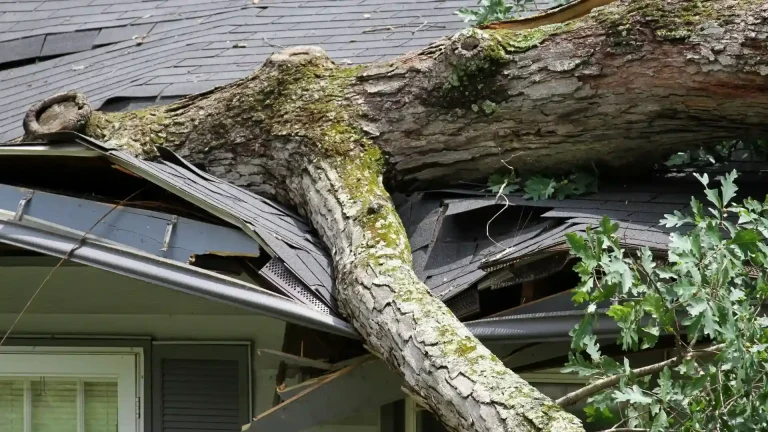
If a large tree is within striking distance of your roof, foundation, or driveway, the risk is real. Roots can damage your foundation. Limbs can collapse onto your home during a storm. Sometimes removal is the only responsible option.
The damage from a storm is severe.
After a major storm, some trees have lost too much of their canopy or structure to recover. If more than 50 percent of the tree is damaged, removal is typically the right move.
Key Risk Factors That Point to Removal Over Trimming
When evaluating a problem tree, professionals look at three main risk factors:
- Target zone. Is there something valuable in the path if this tree falls? A home, a vehicle, a fence? The higher the value of the target, the more seriously you should treat the risk.
- Likelihood of failure. How compromised is the tree? A tree with decay, root damage, and a heavy lean is much more likely to fail than one with a single dead branch.
- Consequences of failure. Would a fall cause minor property damage or a catastrophic one? Would anyone be at risk of injury? High consequences demand faster action.
If any of these three factors point strongly toward danger, removal is not optional. It is the responsible choice.
What a Professional Tree Assessment Actually Looks At
When a crew from 757 Tree Solutions comes out to assess a tree, we are not just eyeballing it. We are looking at the full picture.
- Crown condition: How much of the canopy is alive and healthy?
- Trunk integrity: Any cracks, cavities, fungal conks, or soft wood?
- Root zone: Signs of heaving soil, girdling roots, or decay at the base?
- Lean and direction: Has the lean changed recently? Which way would it fall?
- Proximity to structures: What is in the drop zone?
- Species: Some species are more prone to failure than others in our climate
This assessment takes maybe 15 minutes in person, but it tells us everything we need to make the right call. We will always tell you honestly whether trimming is enough or whether the tree needs to come down. We do not push removal to generate a bigger ticket. We tell you what is true.
Does Trimming vs Removal Affect Cost?
Yes, significantly. Tree trimming is almost always less expensive than full removal. Trimming a medium-sized tree in Chesapeake typically runs a few hundred dollars. Removing the same tree, including stump grinding, can run into the thousands depending on size, location, and access.
That said, putting off a necessary removal to save money short-term is a costly mistake. If a tree comes down on your roof or car, your out-of-pocket costs can be dramatically higher. And depending on your insurance situation, coverage is not guaranteed.
Frequently Asked Questions
Can I just trim a dead tree instead of removing it?
No. Trimming a dead tree does not make it safer. It only removes some of the weight. The core structural problem, a dead root system and dry, brittle wood, remains. Dead trees should be removed.
How do I know if a leaning tree is dangerous?
Look at the base of the tree. If you see heaving soil, exposed roots, or cracks in the ground around the root zone, the tree may be uprooting. That is an emergency. Call a professional immediately.
Can tree removal vs trimming be covered by homeowners insurance?
It depends on the cause. If a tree falls on a covered structure due to a storm, your insurance may cover removal. Proactive removal of a hazardous tree, however, is generally not covered. Check your specific policy.
How often should trees be trimmed in Chesapeake VA?
Most healthy trees benefit from trimming every 3 to 5 years. Fast-growing species may need attention every 2 years. Young trees benefit from more frequent shaping to establish good structure.
What if I am not sure what my tree needs?
Call 757 Tree Solutions for a free assessment. We will come out, look at the tree, and give you a straight answer. No pressure. No upsells. Just honest information so you can make the right call.
Conclusion
Trimming and removal both serve important purposes. Trimming keeps a healthy tree healthy. Removal protects your property when a tree has become a liability.
The key is knowing which one your tree actually needs, and not guessing. A tree that needed to come down three years ago is not safer today. And a tree that only needed a trim is not a problem worth paying full removal costs to solve.
If you are in Chesapeake, Virginia Beach, Suffolk, or anywhere in Hampton Roads and you have a tree you are not sure about, give 757 Tree Solutions a call. We will give you a straight answer and a fair price, whatever the job turns out to be.